Mount Rinjani & Senaru
Indonesia’s second-highest volcano: crater-rim and summit treks, a blue caldera lake and Lombok’s finest waterfalls at Senaru.
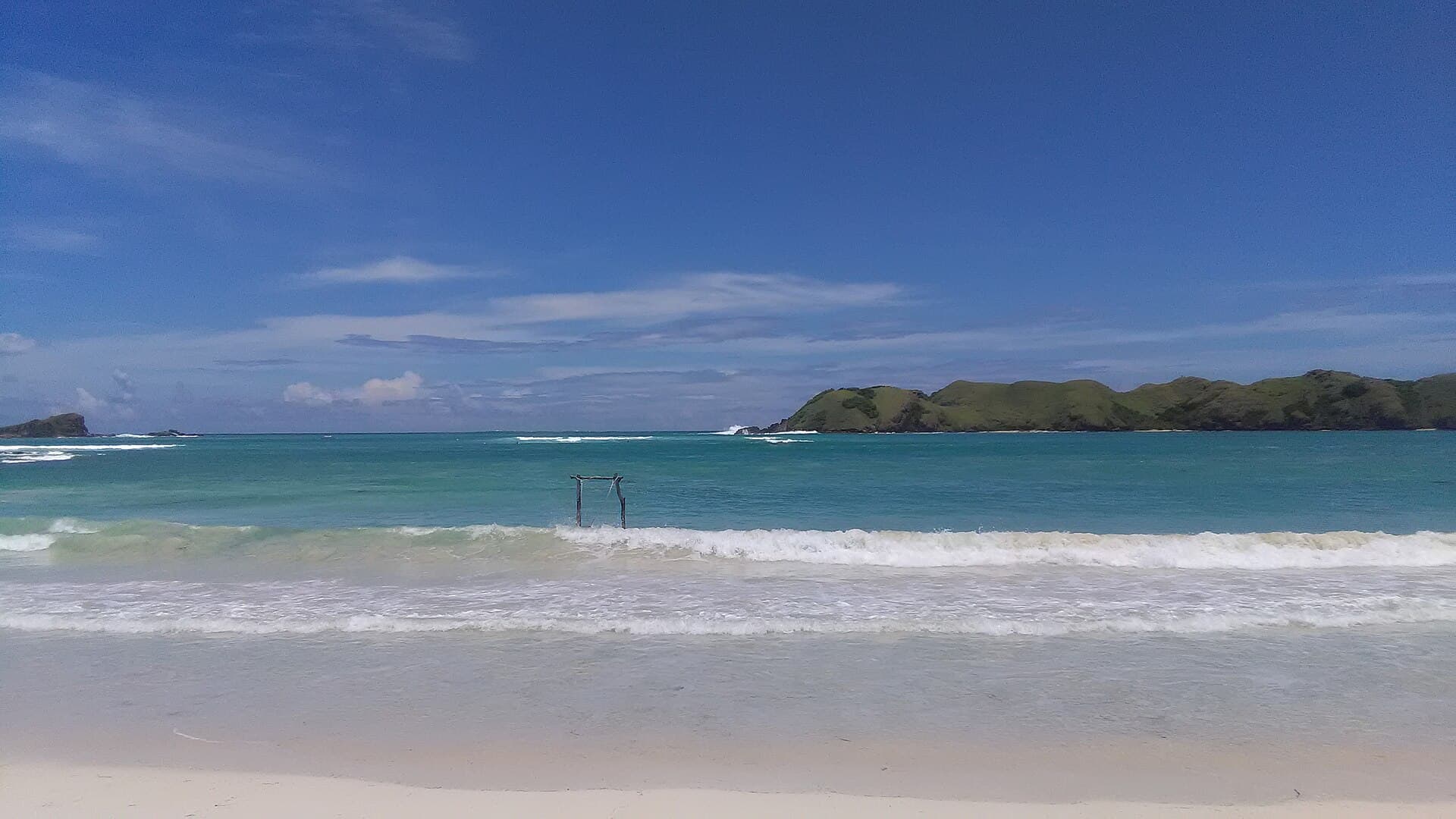
A 3,726-metre volcano, white-sand bays, surf breaks, waterfalls, Sasak villages and a ring of small coral islands — all on one island, a short hop from Bali. This guide helps you choose where to go, how to get around and what to book.
Lombok lies just east of Bali across the Lombok Strait, similar in size but far less developed. Its north is filled by Mount Rinjani, Indonesia’s second-highest volcano, with a crater lake and waterfalls on its slopes. Its south is a coast of dramatic headlands and white-sand bays around Kuta and Mandalika, with some of Asia’s best surf. Off its north-west corner lie the car-free Gili Islands, and off the south-west and east coasts, quieter “secret Gilis”.
Most of Lombok’s people are Sasak Muslims — the island is known as the “Island of a Thousand Mosques” — with a Balinese Hindu community in the west. Traditional villages, weaving and pottery, and festivals such as Bau Nyale give the island a culture distinct from Bali’s.
LombokTravel.com covers the island destination by destination, each with tours, sights, transport, practical tips and seasons. Start with the destinations, plan a route with our itineraries, or read how to get here from Bali and beyond.

Each destination is a mini-guide with its own tours, sights, getting-there advice, practical tips and best time to go.
Indonesia’s second-highest volcano: crater-rim and summit treks, a blue caldera lake and Lombok’s finest waterfalls at Senaru.
A cool, high farming valley under Rinjani’s eastern wall — the summit trailhead, sunrise hills and fields of garlic and strawberries.
Rice terraces, jungle waterfalls and black monkeys on Rinjani’s southern slopes — rural Lombok at walking pace.
Lombok’s south-coast hub: white-sand bays, the Merese hill sunset, the MotoGP circuit and a surf-town buzz.
Selong Belanak, Mawun, Mawi and Ekas — horseshoe bays, beginner waves and world-class reef breaks either side of Kuta.
Thatched hamlets at Sade and Ende, the weavers of Sukarara and the potters of Banyumulek — Lombok’s living Sasak culture.
Pink-tinged sand at Tangsi, sandbanks and mangroves around Gili Kondo and Gili Kapal, and the quiet coast of Lombok’s far east.
Lombok’s original resort strip: sunset beaches facing Bali, the sea temple of Batu Bolong and the cliff road to Malimbu.
Lombok’s capital: the Islamic Center’s minarets, Balinese water palaces at Mayura and Narmada, and the shared temple of Lingsar.
Gili Trawangan, Gili Meno and Gili Air: three car-free coral islands off Lombok’s north-west coast, with turtles on every reef.
Gili Nanggu, Sudak, Kedis and Gede — the quiet “secret Gilis” off Lombok’s south-west peninsula.
Six experiences that define the island — each linked to a guide on doing it well.
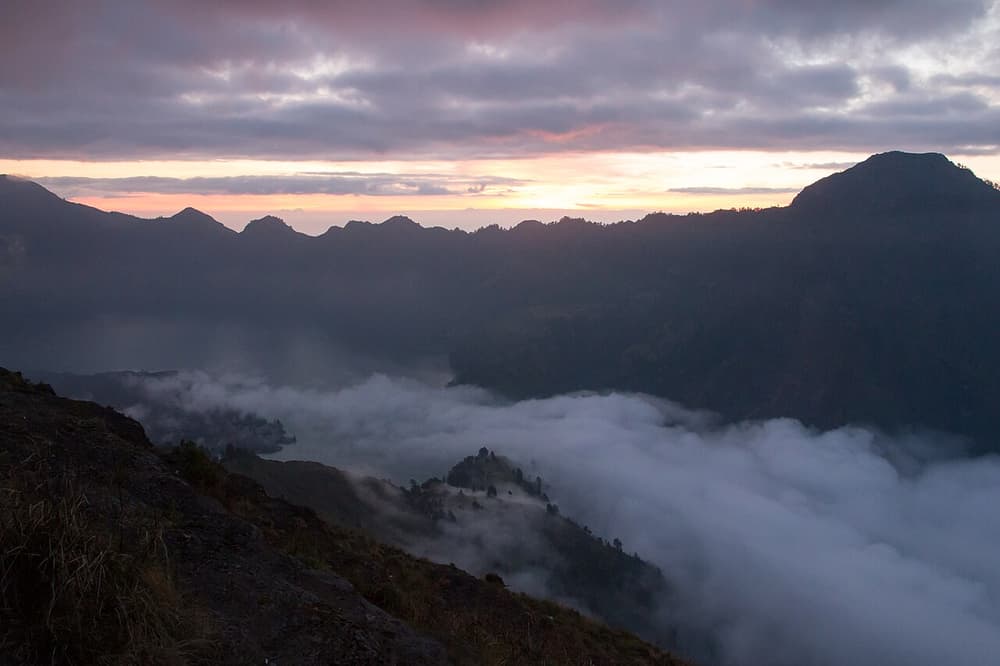
Two to four days to a crater rim above a turquoise lake, or to the summit for sunrise. Our trekking guide covers routes, seasons, rules and operators.
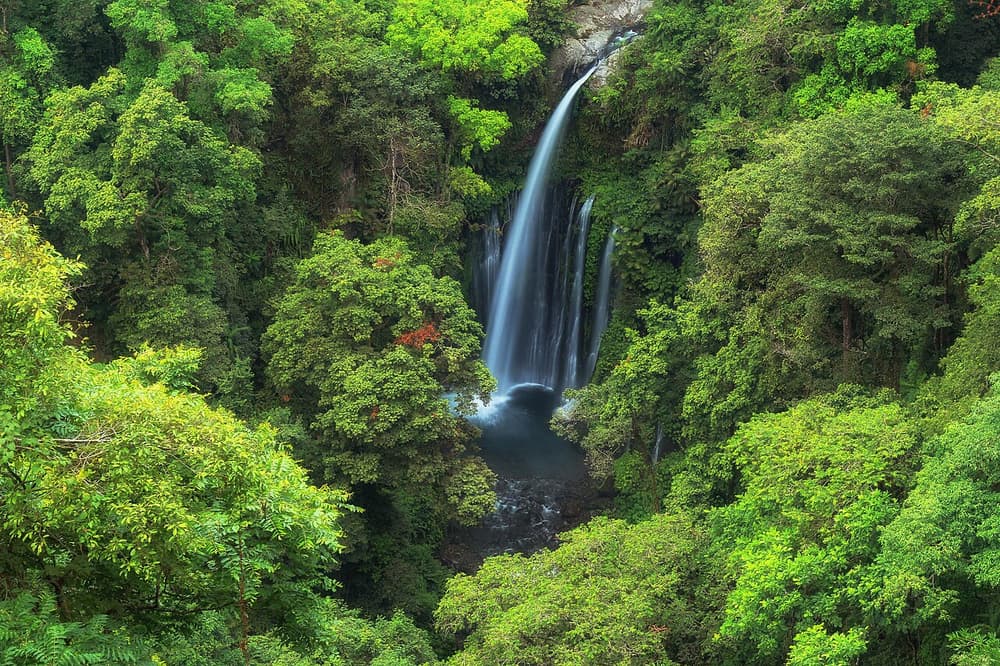
Sendang Gile and Tiu Kelep at Senaru, Benang Stokel and Kelambu in the centre — Lombok’s waterfalls are among the finest in Indonesia.
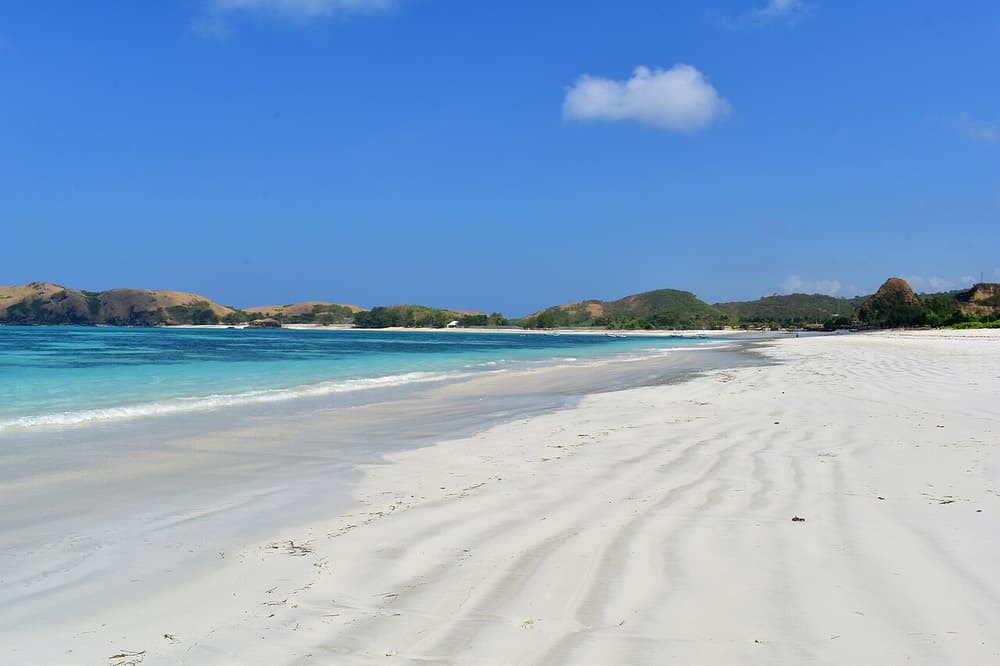
Tanjung Aan, Mawun, Selong Belanak: a coast of white sand between green headlands, with the sunset hill of Merese above them.
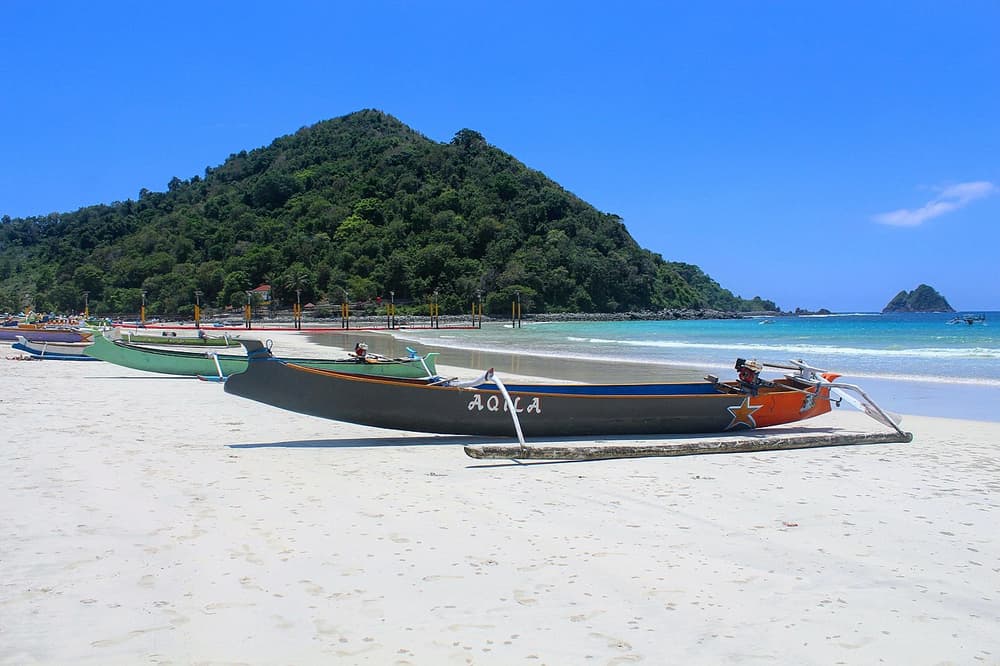
Gentle waves at Selong Belanak, boat-access breaks at Gerupuk, and world-class reefs for the experienced.
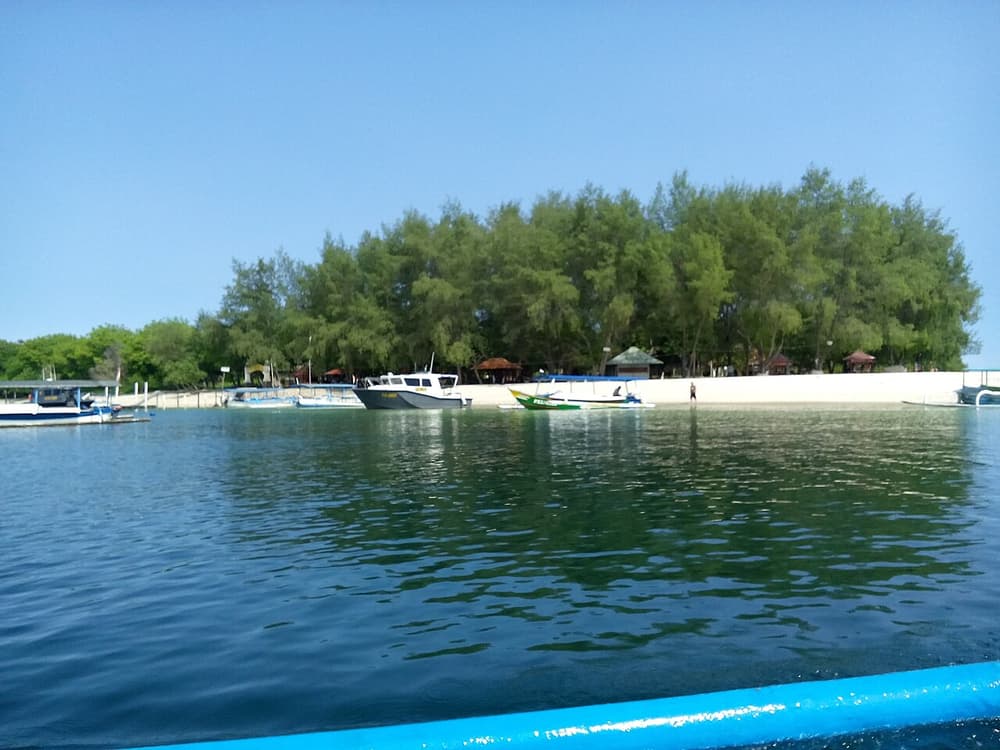
Quiet islands off Sekotong and the east coast, with clear water, coral gardens and very few other people.
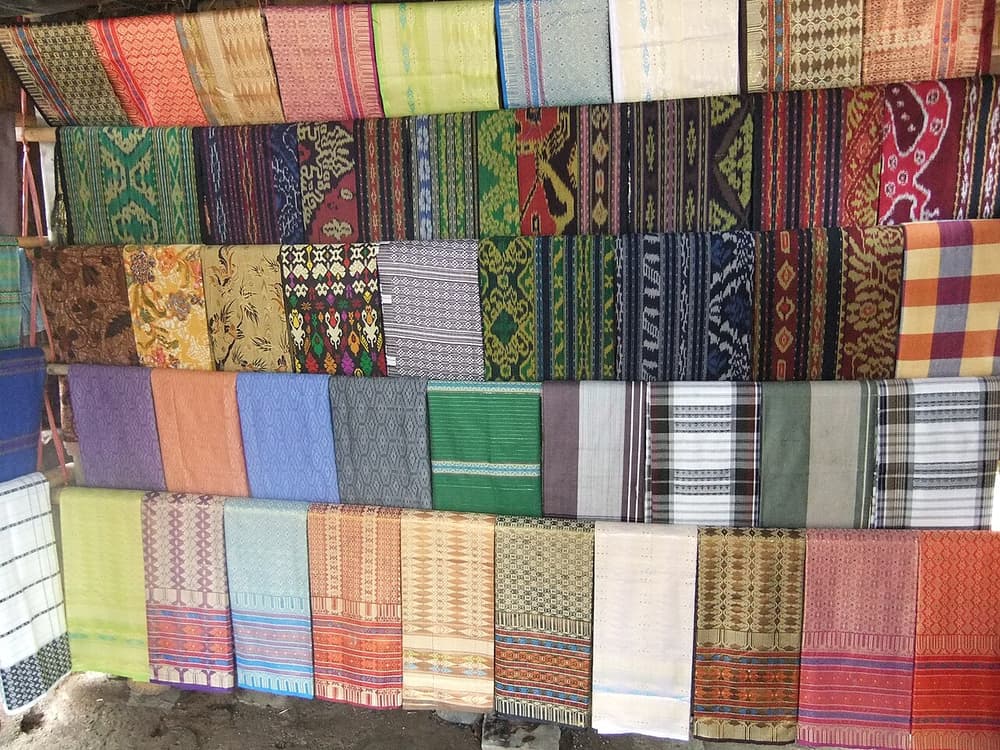
Traditional villages, weaving and pottery, a temple shared by Hindus and Muslims, and festivals found nowhere else.
A quick comparison of the main bases. Most visitors combine two or three.
| Area | Best for | Vibe | Time |
|---|---|---|---|
| Kuta & Mandalika | Beaches, surf, nightlife, MotoGP | Lively surf town, big resorts nearby | 3–5 days |
| Senggigi & west coast | Sunsets, calm bays, Gili trips | Quiet, good value | 2–4 days |
| Gili Islands | Snorkelling, diving, no cars | Party (Trawangan) to peaceful (Meno) | 2–5 days |
| Senaru & Rinjani | Treks, waterfalls | Mountain village, early nights | 1–4 days |
| Sembalun & Tetebatu | Sunrise hikes, rice fields | Cool, rural, slow | 1–3 days |
| Sekotong & east coast | Secret Gilis, Pink Beach | Remote, basic | 1–3 days |
Real GetYourGuide products from across the island, chosen for their reviews and value.
 Mount Rinjani & Senaru from €129
The most-reviewed Rinjani trek on GetYourGuide: up from Sembalun to the crater-rim camp on day one, a pre-dawn climb to the summit for sunrise on day two, then the long descent. Hard, but unforgettable.
 Pink Beach & East Lombok from €44
The most-reviewed east Lombok trip: drive to the south-east coast, then snorkel three small islands and relax at Pink Beach, with lunch included.
 Tetebatu from €21
The best-loved Tetebatu walk: through paddies and spice gardens to a waterfall and the monkey forest with a local guide. Very well reviewed and very good value.
Mount Rinjani & Senaru from €45 A private day to Senaru’s two famous waterfalls with a local guide, including the river walk to Tiu Kelep, with pick-up from west-coast hotels. No trekking fitness needed.
 Sekotong & the South-West Gilis from €44
A highly rated full day around five of the south-west islands with snorkelling stops and lunch.
 Kuta & Mandalika from €67
Take off from the hills near Bukit Merese and glide over Tanjung Aan and the south coast with a licensed tandem pilot. Weather-dependent; very well reviewed.
 The Gili Islands from €13
Thousands of reviews: a boat trip around the three islands with stops at turtle points and the underwater statues, shared or private.
 Sasak Villages & Crafts from €34
The classic culture loop: the traditional village of Sade, weaving in Sukarara and the Mandalika coast. New listing.
Sunny, less humid, best for trekking, surfing and boat trips. Busiest in July and August.
Green landscapes, mixed weather and fewer visitors; Rinjani’s trails usually reopen around April.
Short, heavy downpours and lush scenery; Rinjani’s trails are normally closed and prices are lower.
Bau Nyale (Feb/Mar), racing at Mandalika, Perang Topat (Nov/Dec); Ramadan dates move each year.
Prices and dates update in real time; most tours offer free cancellation up to 24 hours before.
Four realistic routes, from five days to two weeks.
Kuta and the south-coast beaches, a morning in the Sasak villages, and Senaru’s waterfalls on the way to Senggigi.
Three nights in Kuta, one in Senaru, three on the Gilis — the classic first trip.
Add a Rinjani crater-rim trek, a night in Tetebatu and a secret-Gili day trip.
A full loop including Sembalun, Pink Beach and a quiet stay on Gili Gede.
From surf guesthouses in Kuta to sunset resorts in Senggigi, lodges in Senaru and island hideaways — our accommodation guide groups real hotels by destination, with links to live prices on Booking.com.
 Where to stay on Lombok
Rinjani treks, island-hopping boats and fast-boat seats run with limited places and fill up in July, August and over Christmas and New Year. Compare what is bookable online and reserve in a couple of taps.
It is different: less developed, with emptier beaches, bigger surf, a high volcano to climb and a more conservative Muslim culture. Many visitors combine the two; the islands are about 40 minutes apart by plane or a few hours by boat.
Fly Denpasar–Lombok (about 40 minutes), take a fast boat to the Gilis or the Lombok coast (about 1.5–3 hours), or the slow public ferry from Padang Bai to Lembar (about 4–6 hours). See our getting-there guide.
Five days covers the south and a waterfall day; a week adds the Gilis; ten days to two weeks allows a Rinjani trek and the quieter corners. See our itineraries.
The dry season, roughly May to October, is best for trekking, surfing and boat trips. The wet season is greener, quieter and cheaper. See when to go.
Generally yes. Take normal precautions with valuables, ride scooters only if experienced, respect the sea’s currents and local customs, and trek Rinjani only with a licensed guide. Our travel guide covers safety in detail.
Lombok is mainly Muslim and fairly conservative. Swimwear is fine at the beach and pool; cover shoulders and knees in towns, villages and religious sites. See our culture and etiquette guide.


